If you have curly hair, you know how much of a struggle maintaining the moisture of your curls, coils, and waves can be. Consistent heat styling, hair coloring, and everyday elements like sun or pollution can leave your once-bouncy curls feeling dry, frizzy, and lacking in definition. Thankfully, there is a way to help repair damaged hair. With a few extra steps incorporated into your routine, like adding moisture to protect your ends, and creating healthy hair habits like wrapping curls in silk before bedtime, you can minimize future damage.
What does damaged curly hair look like?
The first step to repairing your damaged curls is to recognize the signs of damage. Here are a few signs your hair might be more damaged than you realize:
Loss of Definition
Once-springy curls become limp and loose, no longer holding shape or bounce. Your curls will appear more stretched out or undefined.
Increased Frizz
Frizz happens! However, frizz and flyaways (aka pieces of hair that stick out) are telltale signs that your curls are thirsty for more moisture. This can show up in your hair by appearing dry and feeling rough to the touch.
Breakage
Split ends are a constant battle when your hair is damaged. This type of hair damage is vulnerable to breakage, which causes damage to the hair shaft. Breakage can also occur along the length of the hair, causing strands to appear thinner and shorter in some areas.

Source: Pinterest
Common causes of hair damage
There are some common factors that can wreak havoc on your curls and lead to damage. Heat styling tools like straighteners and curling irons are a main culprit, but even things like blow drying too harshly can also cause problems. Chemical treatments like coloring can strip away moisture and damage the hair shaft, leading to breakage. And don't forget about environmental factors — sun exposure, chlorine from swimming pools, and harsh winter weather can all contribute to dry, unhappy curls.
Why does curly hair need extra care?
Curly hair is naturally drier than straight hair because the bends and twists in each strand make it harder for natural scalp oils to travel evenly from root to tip. As a result, curls are more likely to experience dryness, which can weaken the hair and make it more vulnerable to breakage. When curly hair becomes damaged, it struggles to retain moisture, causing dryness and damage to compound over time. That’s why a dedicated routine focused on hydration, gentle cleansing, and protective styling is essential for keeping curls healthy and happy
How to fix damaged curly hair
Living with damaged curls doesn’t mean settling for frizz and breakage. While damage can’t be reversed, a thoughtful routine, protective styling, and mindful habits like limiting heat and reducing manipulation can help improve how your curls look and feel while preventing further damage. With nurturing products and consistent care, you can support healthier curls as new hair grows in. Here are the steps we recommend for caring for damaged curly hair.
Invest in deep hydration
Deep conditioners are your secret weapon for restoring moisture and reviving damaged curls. These supercharged treatments often use ingredients like argan oil, babassu oil, and moringa oil, plus moisture-locking ceramides, to help replenish dry, thirsty hair. Apply a generous amount to clean, damp hair and leave it on for at least 20 minutes (or according to the product instructions) to allow for maximum absorption. Aim for deep conditioning once a week, or more often if your hair is still feeling dry after a few weeks. For more personalized recommendations, consult your stylist or a dermatologist.
Get regular trims
Regular trims are essential for maintaining healthy curls. Trimming removes split ends, which can travel up the hair shaft and cause further damage. Healthy ends improve the overall look and manageability of your curls, so aim to get your hair cut every 6-8 weeks to prevent split ends.
Reduce your heat usage
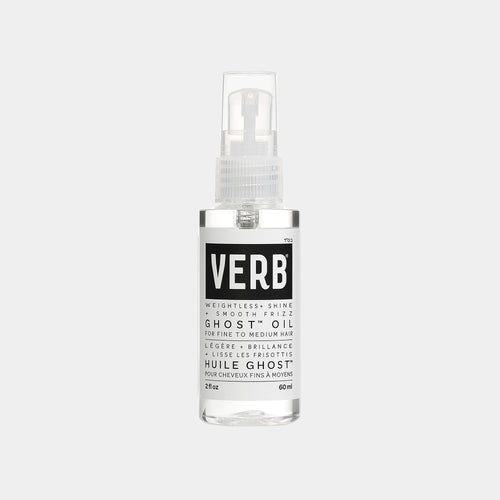
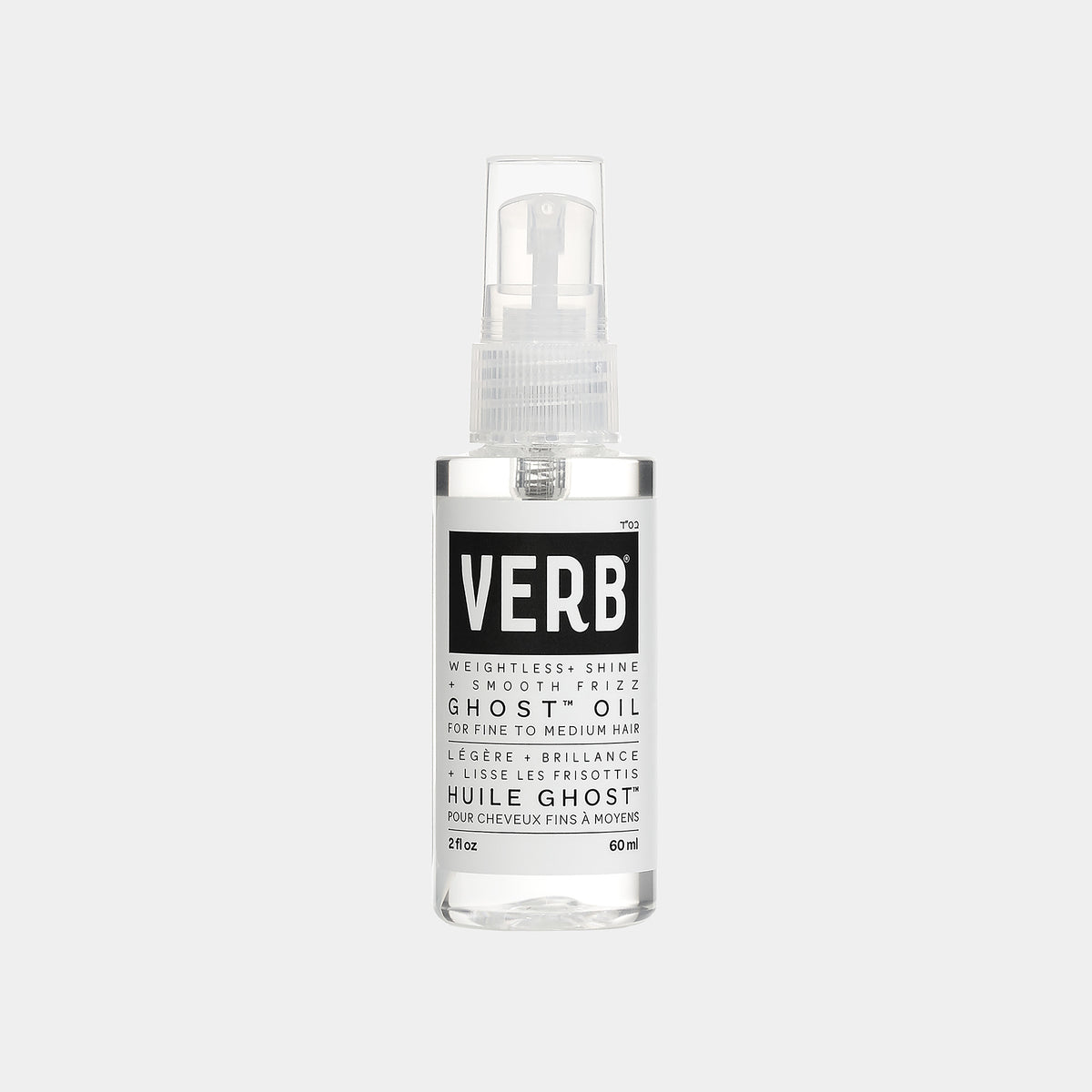
Heat styling tools like straighteners, curling irons, and blow dryers can damage curls. The high heat breaks down the hair cuticle and strips away moisture, leaving hair, especially curly hair, dry and brittle. Limiting or avoiding heat styling helps prevent dryness, breakage, and loss of curl definition, so whenever possible, air-dry your curls. If you use heat tools, start with a frizz defense smoothing spray for heat protection, then finish with a few drops of Ghost™ Oil to smooth frizz and add shine, keeping the temperature on the lowest effective setting.
Style your hair in protective hairstyles
Protective hairstyles are another great way to repair and avoid curl damage. Braids, twists, bantu knots, and other similar styles help to trap moisture and minimize frizz. There are lots of tutorials available online for various protective curly hairstyles, so experiment and find what works best for your hair length, texture, and style!
 Source: Shutterstock
Wash your hair less
Shampooing too frequently is another way that natural oils can be stripped away from your scalp, leaving your curls dry and brittle. These oils help keep your hair hydrated, so shampooing less frequently allows your scalp to replenish those natural oils more frequently, resulting in your hair absorbing more oil. To maximize moisture, you could also consider co-washing (washing only with conditioner) or shampooing only 2-3 times per week.
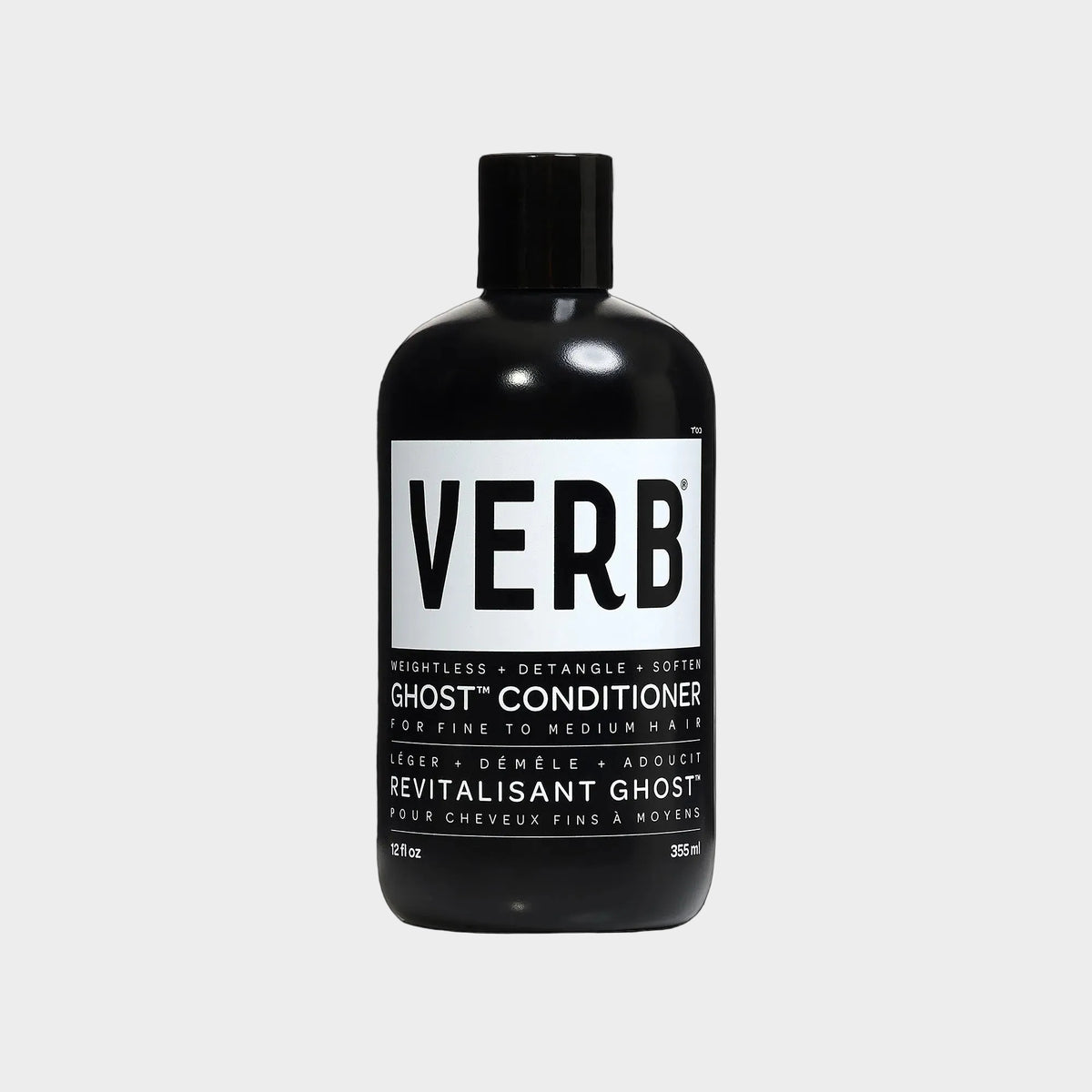
Shop the VERB Curl Collection:

If you want more product recs for your unique hair type, texture, concerns, and goals — check out our shampoo + conditioner guide or our hair quiz for personalized recommendations!
Use a microfiber drying towel
Ditch the rough terry cloth towels! Microfiber towels are super absorbent and much gentler on your curls. The lightweight, soft material reduces friction, frizz, and breakage during your drying process, making these towels ideal for curly hair. Gently squeeze excess water from your hair and pat it dry with a microfiber towel to avoid frizz.
Incorporate a leave-in conditioner into your routine
Leave-in conditioners and curl creams act as your daily dose of moisture and definition. These lightweight products provide extra hydration without weighing down your curls. They also reduce frizz, with our Curl Cream reducing frizz by 78% after just one use*. Apply a small amount of leave-in conditioner or curl cream to damp hair, focusing on the mid-lengths and ends, and scrunch gently to distribute the product evenly.
*proven results in a third-party testing lab
Support your damaged curls with our Curl Collection
Our Curl Collection is a game-changer for all curl types. Infused with our unique SunflowerCurl™ Complex, our Curl Defining Mask nourishes with jojoba oil and castor oil, providing deep conditioning that penetrates the hair shaft. Combined with our new Curl Oil, your curls and coils will be stronger, shinier, more tangle-free, and beautifully defined.
This signature formula is clinically proven to increase curl retention and reduce frizz.* It also won't weigh down your hair, allowing you to rock your gorgeous texture all day long. With consistent care and the right products, your curls will be healthy, bouncy, and ready to take on the world!
 *proven results in a third-party testing lab when using the full Verb® Curl Collection