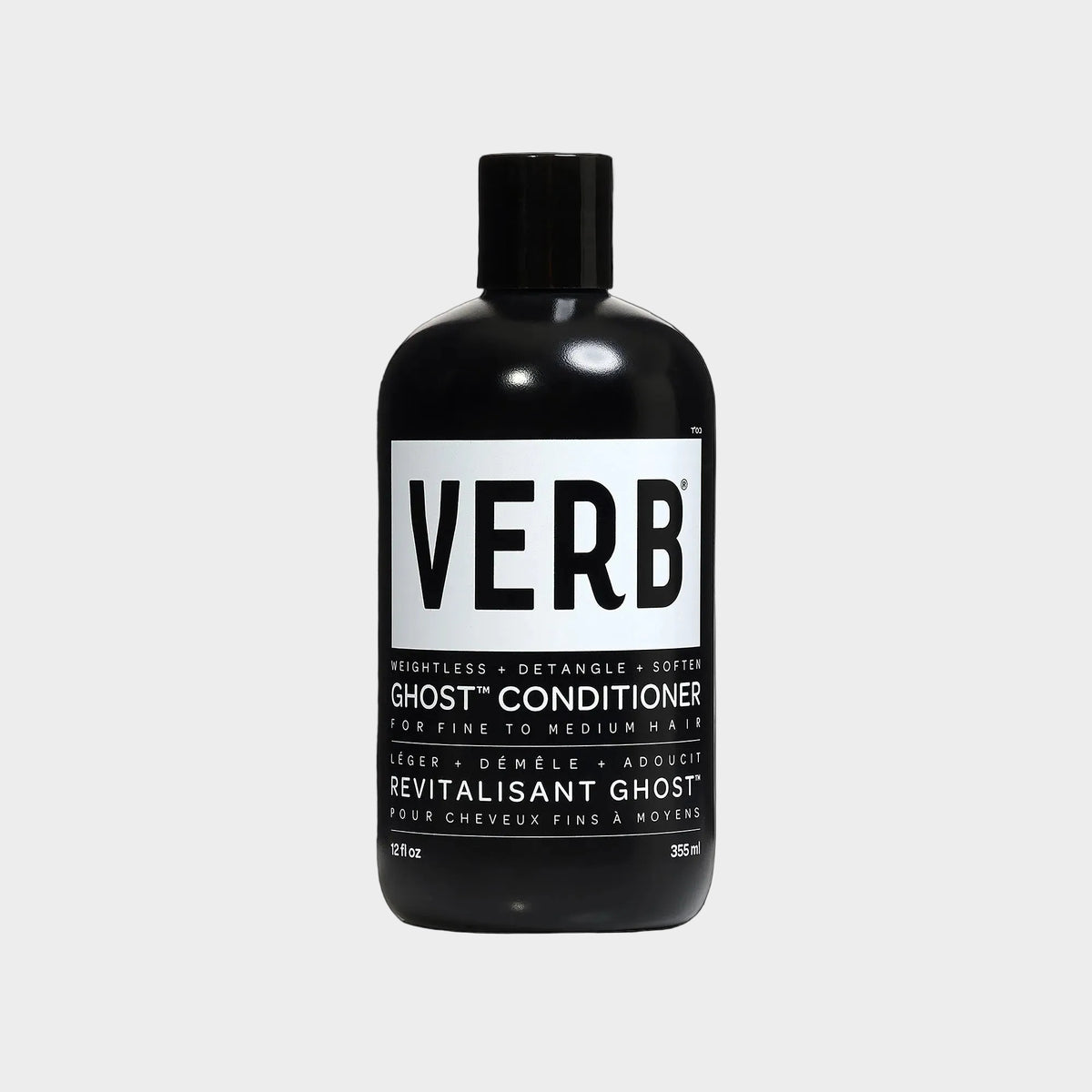
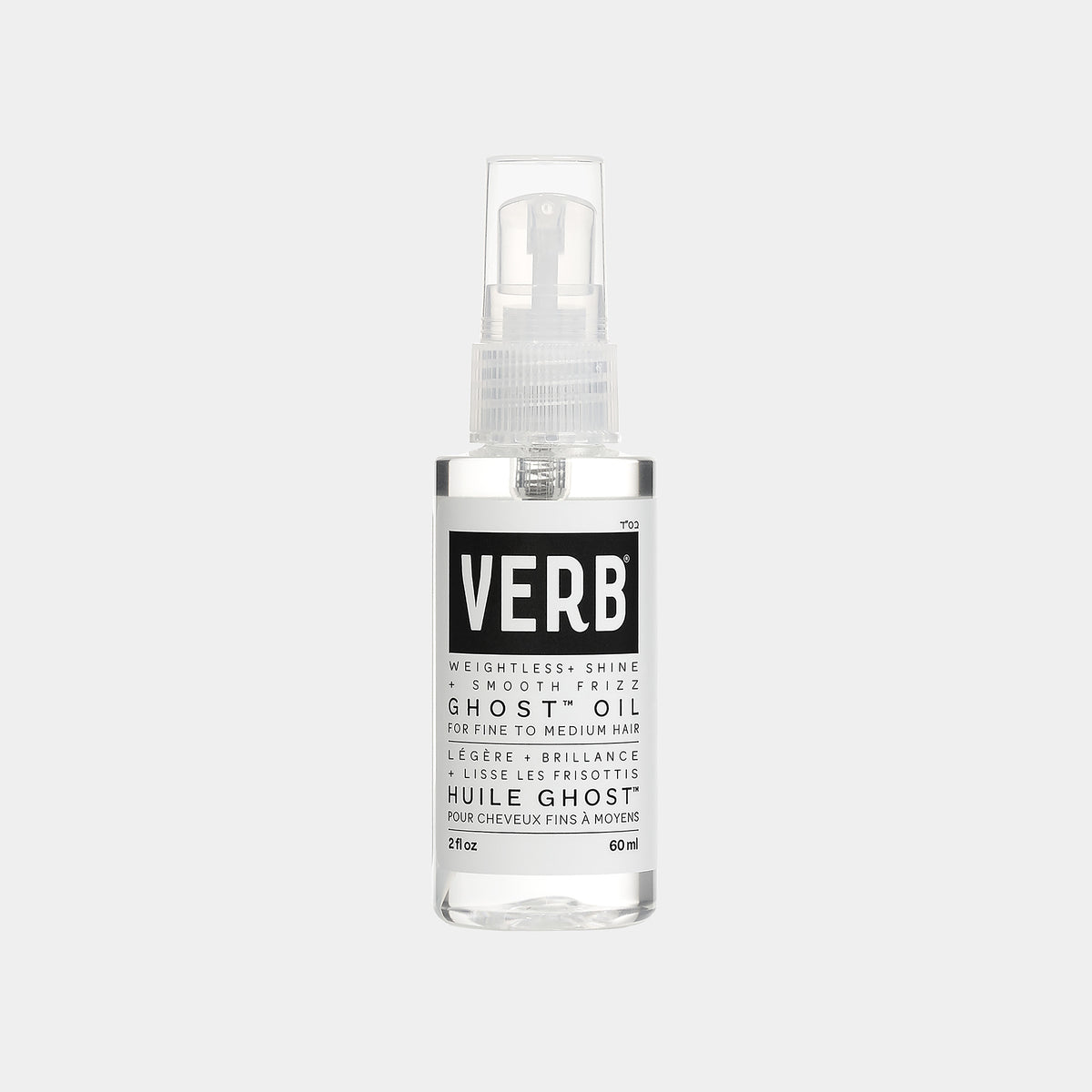
Heat styling can transform your hair into sleek waves, glossy curls, or a perfectly smooth blowout, but it can also leave behind dryness, frizz, and split ends. Every pass of a flat iron, curling wand, or even a hot blow dryer exposes your strands to high temperatures that can cause the outer protective layer of the hair, the cuticle, to lift and weaken. Once that happens, your hair is more vulnerable to breakage, color fading, and long-term texture changes.
That’s why the best heat protectant for your hair isn’t a luxury, It’s a necessity. The right formula acts like a shield between your hair and your styling tools, helping you achieve the look you love without sacrificing hair health.
How heat protectants work
Heat protectants are your hair’s first line of defense, forming a light barrier on each strand to slow heat penetration. They help retain moisture, reduce frizz, and protect both the outer cuticle and inner hair structure during styling.

Understanding how heat can harm your hair and cause split ends is key to building a routine that prevents problems before they start. Pairing a good heat protectant with consistent care can help fix damaged hair and keep your style healthy in the long run.
The best hair protectants by hair type
Finding the best heat protectant for your hair starts with knowing your hair type, your go-to styling tools, and the maximum temperature your product can handle. Not all protectants are created equal, and the right match gives you better results – the best heat protectant for curly hair will likely not be the same product for fine hair.
| Hair Type | Best Heat Protectant | Heat Protection Features | Maximum Heat Protection |
| fine / medium | Lightweight spray or gel-based protectant | Offers heat protection without weighing down hair; lightweight formula. | Up to 350°F (177°C) |
| thick / coarse | Rich cream or oil-based protectant | Provides intense moisture, smooths thick hair, reduces frizz and damage. | Up to 450°F (232°C) |
| curly | Cream-based protectant with moisture-locking ingredients (e.g., shea butter) | Controls frizz, defines curls, adds moisture to prevent dryness. | Up to 400°F (204°C) |
| frizzy | Anti-frizz, smoothing sprays or serums | Reduces frizz, adds shine, smooths flyaways. | Up to 400°F (204°C) |
| dry / color-treated | Protectants with nourishing oils (e.g., argan oil, coconut oil) | Adds moisture, seals in hydration, and protects from color fading. | Up to 400°F (204°C |
| damaged | Repair-focused protectant with strengthening ingredients (e.g., keratin, proteins) | Repairs and prevents further damage, strengthens hair shaft. | Up to 350°F (177°C) |
Unsure which category you fall into? Start by assessing your hair’s density, texture, and moisture level. If your hair feels lightweight and tends to lose volume easily, you might have fine hair. Is your hair thicker to the touch and more resistant to styling? You might have coarse hair. Seeing how your hair naturally dries after washing can also help determine your hair type based on the presence or absence of curls and waves.
fine hair
If you have fine hair, lightweight is key. Selecting the best fine or thin hair heat protectant prepares your strands for heat without weighing them down. Look for formulas that also boost shine for a polished finish, like a lightweight heat protectant spray that adds shine while still guarding against heat damage.
curly or frizzy hair
Thick, curly, or frizzy hair thrives with extra hydration. A curl cream paired with a curl gel can define texture, but layering on a dedicated heat protectant before diffusing or blow drying ensures your curls get maximum protection. Since curls can be prone to dryness, opt for cream-based protectants with rich butters or oils to help lock in moisture.
color-treated hair
Protect your shade while you style. The best heat protectants for colored hair often include UV filters in addition to the highest heat protection levels. The ingredients in these specialized protectants work together to maintain vibrancy, prevent brassiness, and keep hair from becoming brittle due to repeated styling. If you frequently heat style, pairing products that can handle high heat with a sulfate-free shampoo can keep color fresher for longer.

dry hair
Dry hair needs extra TLC when it comes to protection. The culprit for dry hair is often repeated heat styling without enough moisture. Applying a hydrating leave-in conditioner first, then a heat protectant, creates a two-step barrier that helps prevent further dryness. Concentrating product at the ends, which are older and more fragile than the roots, can also help alleviate excessive dryness.
thick or coarse hair
Dense hair strands can handle richer textures and thicker formulas. A heat protectant for thick or coarse hair smooths cuticles and provides long-lasting moisture, making it perfect for everything from bigger blowouts to sleek, straight styles. Creams or oil-based sprays can help you keep your style sleek and frizz-free, even in humidity.
How to use heat protectant
Using a heat protectant effectively is just as important as choosing the right one. Luckily, working a heat protectant into your routine is pretty simple:
- Start with clean, damp hair (unless your product says it can be used on dry hair).
- Apply generously from mid-lengths to ends to ensure even coverage.
- Comb through hair to distribute product evenly.
- Style as usual, keeping hot tools at a safe temperature for your hair type.
The most important step is to read the directions before using a heat protectant to achieve the best results. Something else to keep in mind is to reapply if you’re touching up your style later in the day. Once you’ve brushed or combed your hair, the original barrier may no longer be evenly distributed.
where to use heat protectant in your hair care routine
When incorporating heat protectants into your hair routine, it’s important to consider all the products you use to avoid weighed-down strands. Here’s a balanced order:
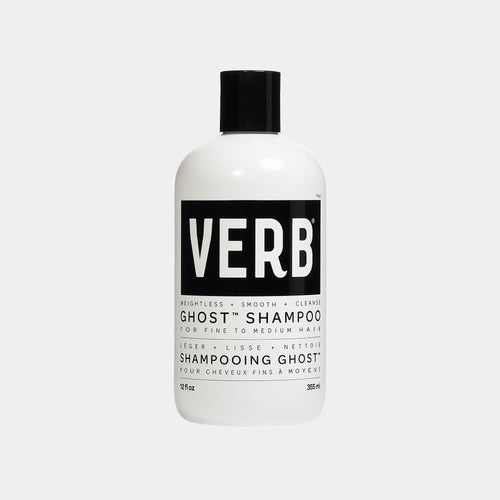
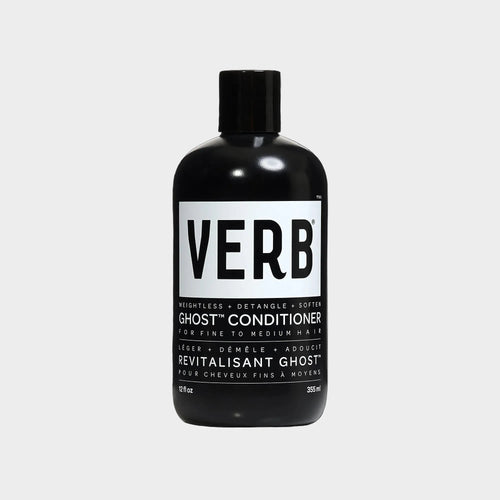
- Shampoo & conditioner to cleanse and hydrate.
- Leave-in conditioner or styling cream to add moisture or styling benefits.
- Heat protectant applied to damp hair, especially lengths and ends, to prevent damage.
- Heat styling with a blow dryer, flat iron, or curling wand to create your desired look.
- Dry shampoo or finishing hair spray to finish your style with hold or freshness.
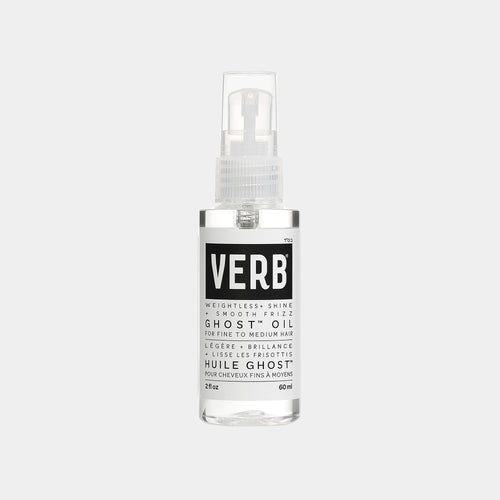
- bonus: A lightweight hair oil added before or after heat styling to achieve extra shine.
Building a routine using products in the correct order helps avoid buildup, ensures even protection, and keeps hair looking fresh. By placing your heat protectant after your moisture products but before hot tools, you ensure that every strand gets a protective barrier without the weight of too many layers.
Style more and worry less with verb heat protectants
The right hair styling products let you focus on what matters, your style, while keeping your hair safe. Whether you’re searching for the best heat protectant spray for straightening or the perfect formula for curly hair, choosing products that make styling easier is the first step to creating hairstyles that feel authentically you.